If your cabinets are solid and your kitchen layout works, replacing just the doors can give you that “brand new kitchen” feeling without the gut job price tag. I did this style of upgrade for a friend with sturdy boxes but beat-up doors, and it was the perfect middle ground between painting only and a full refacing job.
This guide focuses on unfinished, paint-ready replacement cabinet doors, the kind you can prime and paint to match your new cabinet color. I will walk you through where to buy them (online and locally), how to keep costs down, and the little specs that make a big difference once you start installing.
Is replacing doors worth it?
Door replacement is a sweet spot when:
- Your cabinet boxes are solid (no water damage, no sagging).
- Your doors are dated (arched panels, heavy cathedral styles, worn veneer, lots of dings).
- You want a cleaner style (Shaker doors make almost any kitchen look newer).
- You are already painting and want everything to look cohesive.
It is usually not worth it if your boxes are falling apart, your layout is dysfunctional, or you have severe moisture issues. In those cases, you might be throwing good money after bad.
Before you shop: 5 details that control your final cost
1) Door style and material
For paint, I love a simple Shaker profile. On materials, you will typically see:
- Solid wood: great durability, can move slightly with seasons.
- MDF center panel with wood frame: very smooth for paint, stable, and often my top pick for a crisp painted finish.
- All MDF: paint finishes beautifully, especially on flat panels.
2) Overlay type (and cabinet type)
Most replacement door sites ask whether you have:
- Full overlay: doors mostly cover the face frame (very common in updated kitchens).
- Partial overlay: more of the face frame shows around each door.
- Inset: doors sit flush inside the frame opening (gorgeous, but more precise and usually pricier).
Quick reality check: Face-frame cabinets can be full overlay or partial overlay. Frameless (European) cabinets are typically full overlay, and your sizing and hinges are tied closely to the box system and hinge plates. If you are not sure what you have, open a door. If you see a wood frame around the opening, it is face-frame. If you mostly see the cabinet box edges, it is frameless.
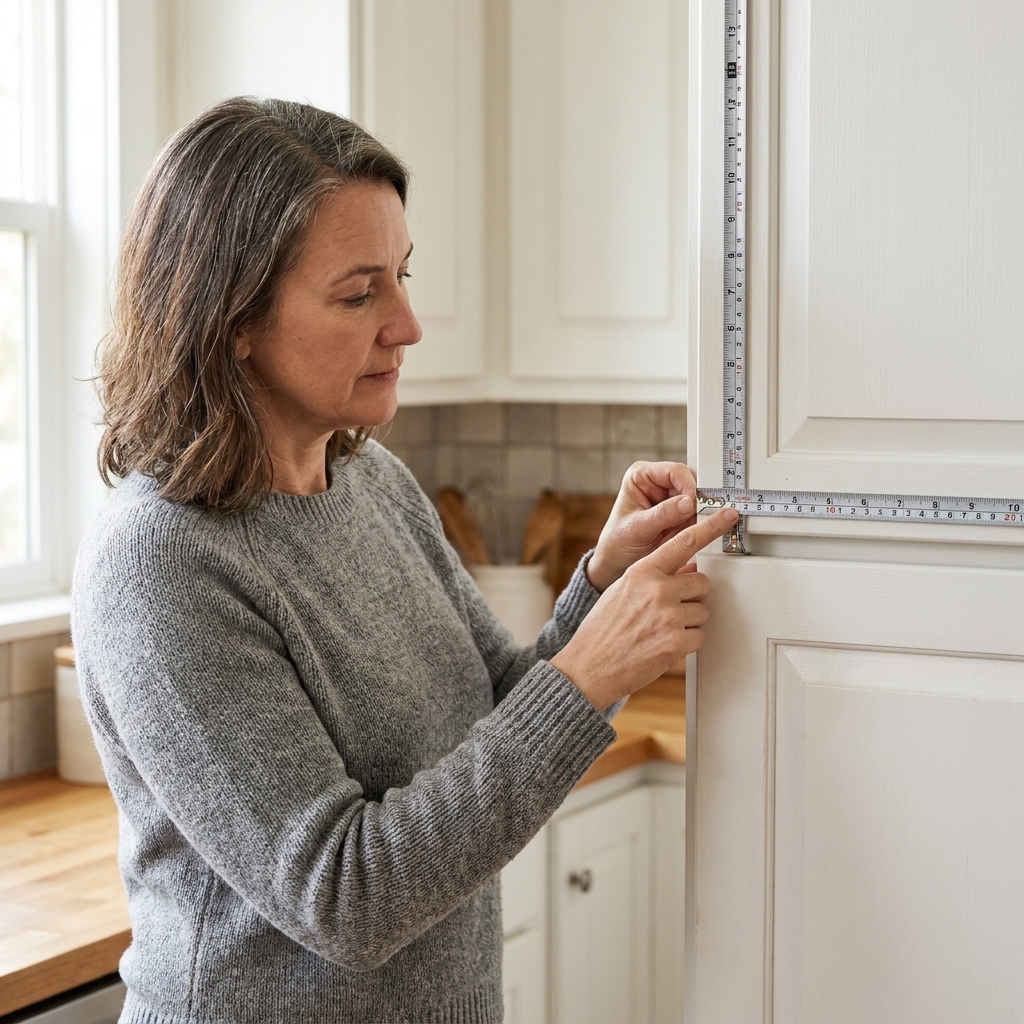
If you are not sure on overlay, take a straight-on photo with a tape measure and compare it to examples on the retailer site.
3) Hinge boring
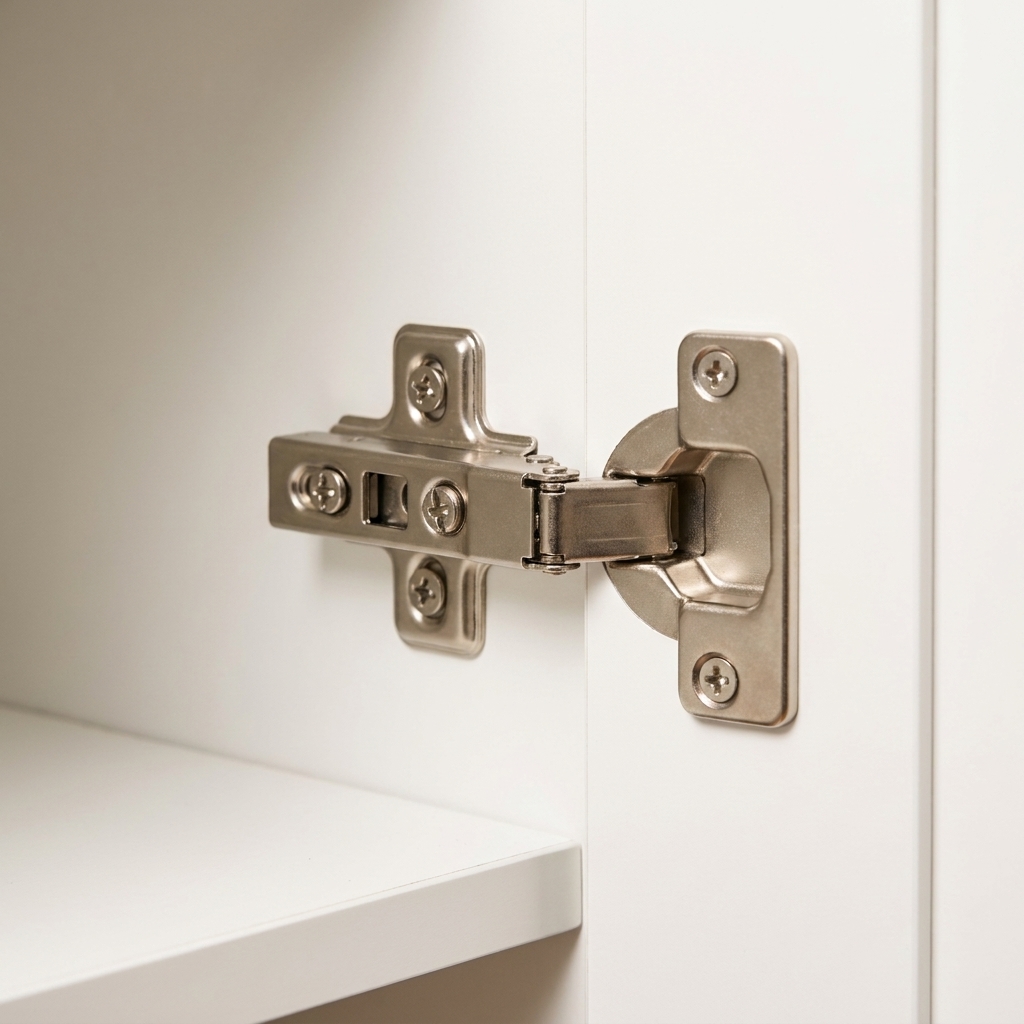
Many modern doors use a concealed European hinge cup, usually 35 mm. You can order doors:
- Bored (hinge cup holes drilled) which saves time and keeps things consistent.
- Unbored if you are reusing face-frame hinges or want to drill yourself.
If your current doors have concealed hinges, remove one door and measure:
- Cup diameter (often 35 mm)
- Cup depth (varies by hinge)
- Cup setback (distance from door edge to cup edge or center, depending on the supplier’s spec)
- Top and bottom boring location (distance from the top of the door to the hinge cup center, and same for the bottom)
Those top and bottom measurements are the ones people skip, and it is how you end up with hinge holes that do not line up with your existing hinge plates.
4) Door thickness
3/4 inch is most common, but some lines use 5/8 inch. Match what you have unless you are replacing hinges too.
5) Paint plan
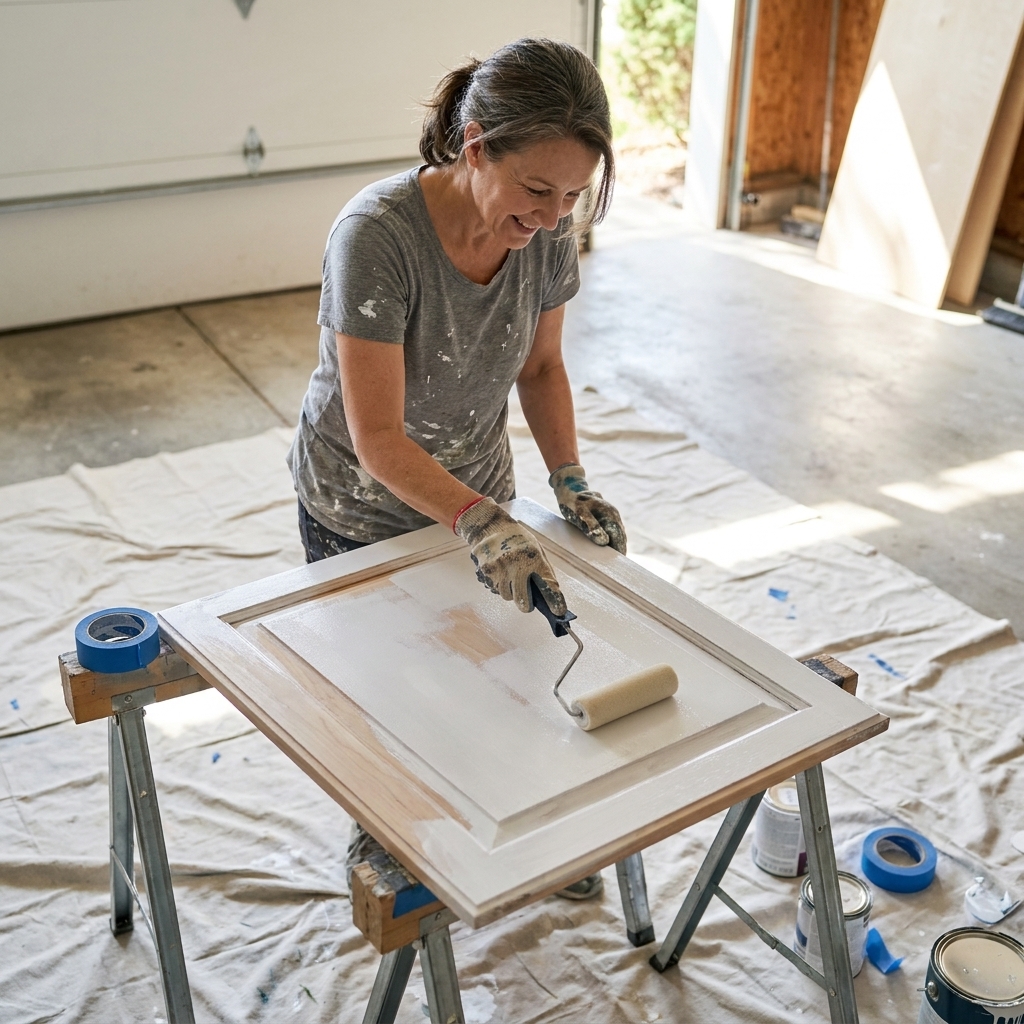
If you are ordering unfinished doors, plan on:
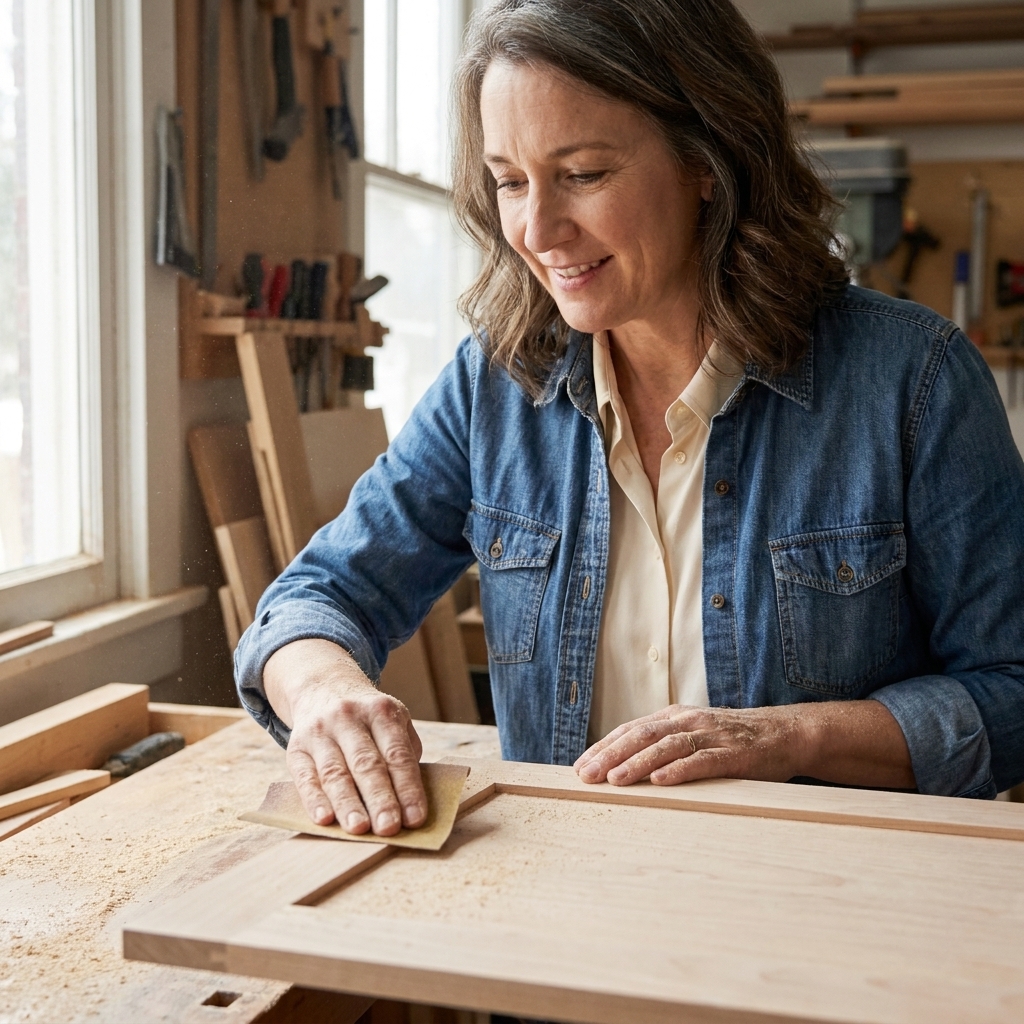
- Light sanding and dust removal
- A bonding primer (especially if the wood has tannins)
- Two topcoats of cabinet-grade paint
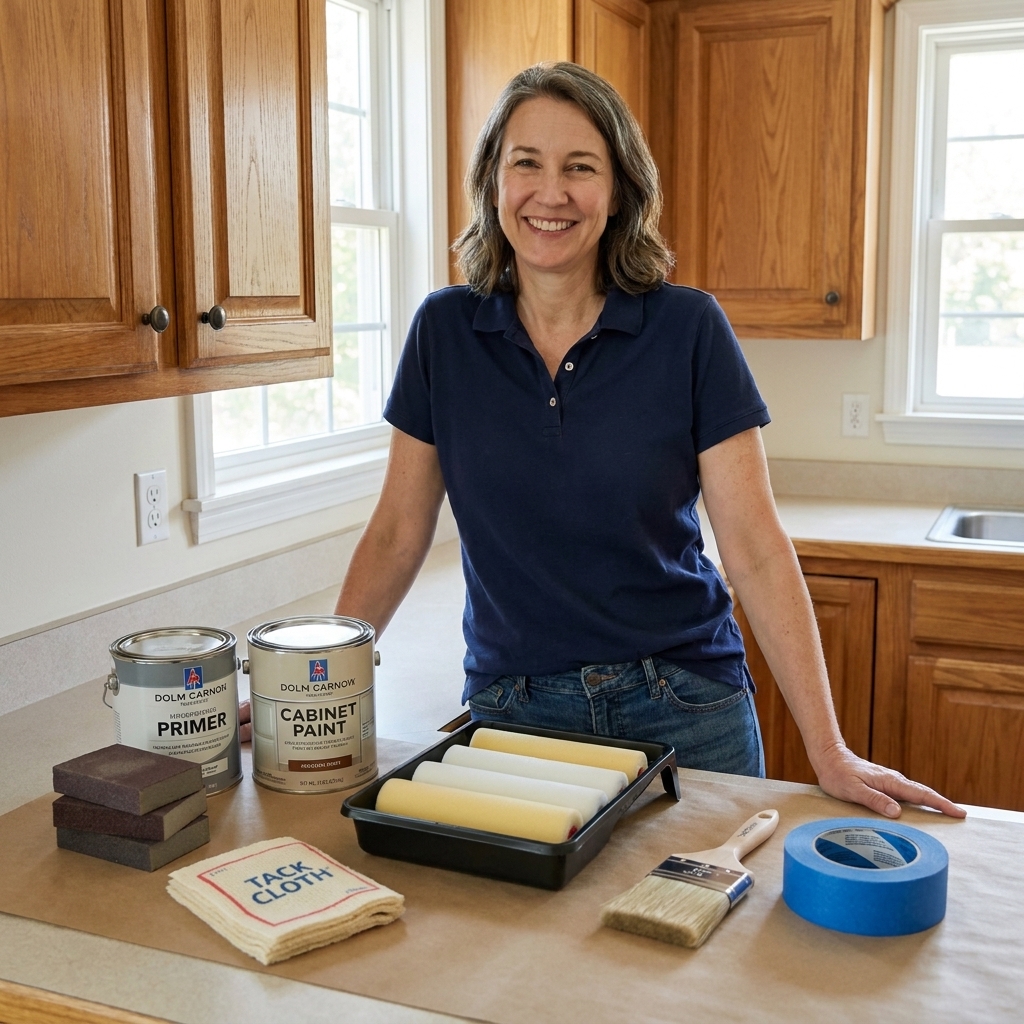
If you want one simple direction: a quality primer plus a cabinet enamel (many DIYers like waterborne alkyd for leveling and toughness, but a good acrylic cabinet enamel can also hold up well). And remember “dry” is not the same as “cured.” Give painted doors enough cure time so they do not stick when you reinstall, especially around bumpers.
Best online retailers for budget-friendly unfinished doors
Online ordering is hard to beat for selection. The tradeoff is you must measure carefully and understand what you are ordering. These are a few well-known sources many DIYers use for unfinished, paint-ready replacements, but always compare lead times, shipping costs, and return policies before you click buy.
Cabinet Door Depot
Best for: a wide range of styles and unfinished options, including Shaker profiles that are easy to paint.
- Good style selection for both traditional and modern looks
- Options for hinge boring and custom sizes
- Also sells drawer fronts, which helps you match everything
My tip: If you are trying to keep costs down, choose a simple profile and standard thickness, and avoid extra detailing that adds labor.
Tradeoff to watch: Custom sizing is great, but returns are often limited on custom orders, so your measuring has to be dialed in.
Fast Cabinet Doors
Best for: budget-minded shoppers who still want solid sizing options and a straightforward ordering process.
- Frequent promotions depending on the season
- Good for classic Shaker replacements
- Can bundle with drawer fronts
My tip: Double-check lead times before you order. Doors are not helpful sitting in limbo when you have your kitchen torn apart.
Tradeoff to watch: Shipping can swing the real “deal,” so price your cart all the way through checkout.
CabinetDoors.com
Best for: lots of customization choices and a well-known ordering system with clear options for unfinished doors.
- Good documentation for measuring and ordering
- Plenty of wood species and paint-grade choices
- Helpful if your kitchen has odd sizes
My tip: If you have a mix of door sizes, create a simple spreadsheet with each opening and swing direction. It keeps you sane during checkout.
Tradeoff to watch: More options can mean more ways to accidentally pick the wrong hinge boring or overlay, so slow down and confirm each dropdown.
Barker Door
Best for: paint-grade doors and drawer fronts with clean, simple lines that a lot of DIYers like for modern and transitional kitchens.
- Good paint-ready options
- Popular Shaker profiles
- Great if you want a consistent look across the whole kitchen
My tip: Decide early if you are doing slab drawer fronts or Shaker drawer fronts. Mixing can look gorgeous, but do it intentionally.
Tradeoff to watch: Like most made-to-order doors, changing your mind after the fact can be expensive. Confirm measurements and hinge specs before ordering.
CabinetParts.com (doors and refacing components)
Best for: combining door replacement with other supplies like hinges, slides, edge banding, and hardware.
- Convenient one-cart ordering if you need more than doors
- Good for hardware upgrades at the same time
My tip: When you buy hinges, do not guess. Match your overlay and door thickness so your reveals stay even.
Tradeoff to watch: It is easy to overspend when you start adding “nice-to-haves.” Set your hardware budget before you start clicking.
Local places that can beat online pricing
Do not sleep on local options. Even if the sticker price is similar, you can save on shipping and avoid a measurement mistake that takes weeks to fix.
Local cabinet shops and millwork stores
Best for: custom sizes, matching existing quirks, and help with hinge boring.
- Bring one old door with you if possible
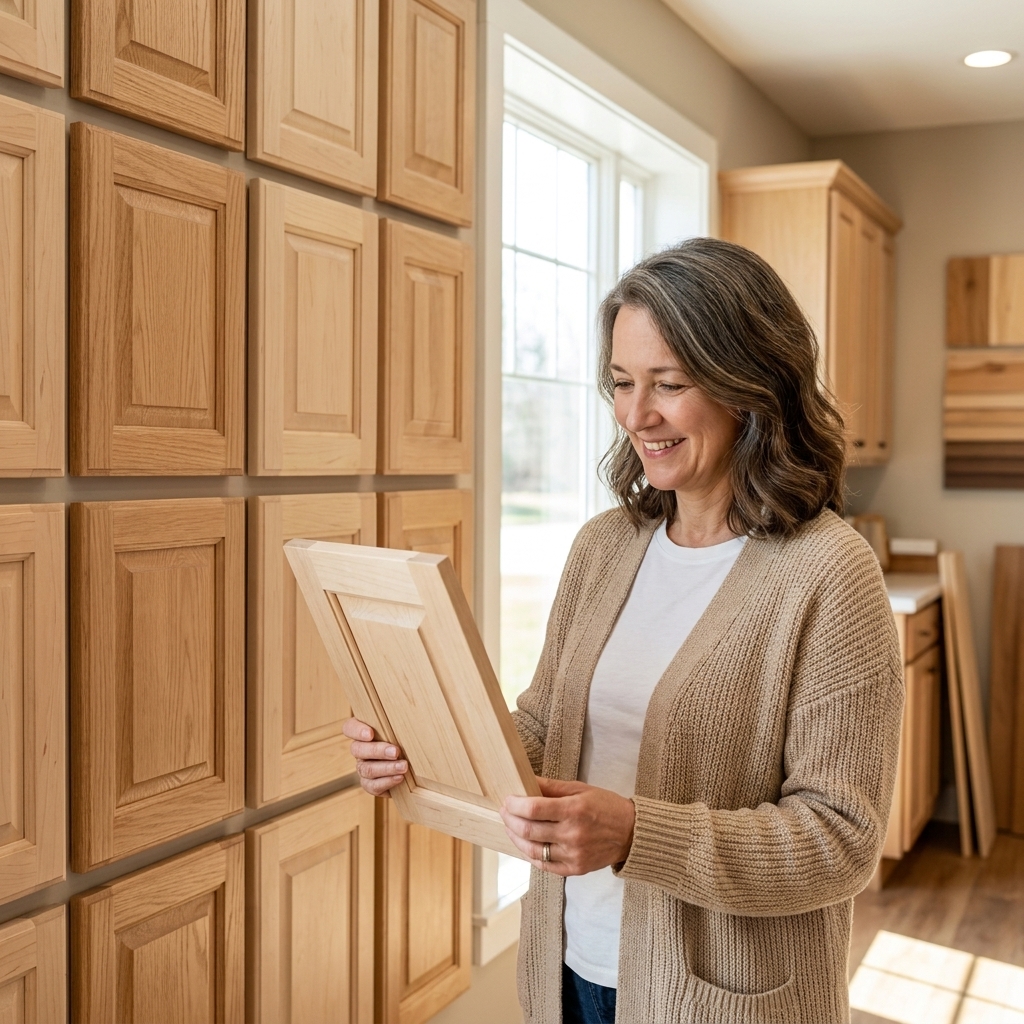
- Ask if they have a “paint-grade” line for budget refacing
- Many can drill hinge cups to your exact spec
Sometimes a local shop will have an in-house value door that is perfect for painting, especially if you are going with a simple Shaker style.
Lumber yards
Best for: connecting you with their cabinet door supplier or special ordering paint-grade doors.
Call and ask if they can order unfinished cabinet doors and drawer fronts. You might be surprised by the options, and the staff is usually used to helping homeowners through measurements.
Habitat for Humanity ReStore
Best for: bargain hunting if you are flexible.
- Great for scoring brand-new overstock doors
- Not ideal if you need exact sizes for a whole kitchen
- Perfect if you are doing a pantry, laundry, or a small set of uppers
If you find doors that are close but not perfect, remember: trimming a door is not always straightforward, especially with Shaker rails and stiles. I only recommend buying secondhand doors if the sizes match well.
Facebook Marketplace and salvage stores
Best for: small projects, islands, or partial refreshes where consistency is less critical.
Look for listings that include drawer fronts too. A mixed set can be harder to unify unless you are comfortable doing a truly custom look.
How to measure replacement cabinet doors
Measuring is the make-or-break step. If you take one thing from this article, let it be this: measure every single opening. Do not assume your kitchen is consistent.
Face-frame cabinets (most common)
- Measure the opening (width and height) for each door.
- Decide overlay. A very common choice is 1/2 inch overlay on all sides, but your cabinet and hinge type may vary.
- Calculate door size: door width = opening width + (left overlay + right overlay); door height = opening height + (top overlay + bottom overlay).
If that sounds intimidating, many door retailers have an overlay guide and will help you confirm by phone or email. I always recommend taking a straight-on photo of a cabinet with a tape measure showing the opening and the existing overlay.
Frameless (European) cabinets
With frameless cabinets, you are sizing to the cabinet box opening and choosing an overlay that matches your hinge system. Many frameless kitchens are full overlay, but the exact overlay can vary by manufacturer.
- Measure each cabinet opening (the box opening width and height).
- Confirm overlay based on your current doors and hinges, or plan for new hinges and plates if you are changing overlay.
- Confirm hinge compatibility, especially if you are reusing hinge plates mounted inside the cabinet. Small differences in overlay can mean the old hardware will not adjust far enough.
If you are reusing existing hinges in a frameless setup, I would take one door off and match the hinge model and plate style as closely as possible, then order doors bored to those exact boring positions.
Two doors on one opening
Remember to account for the center gap between doors. The easiest method is to match your existing gap (measure it), then size each door so you keep that same reveal. If you are starting fresh, a common target is a small, consistent gap that lets doors swing without bumping, but hinge type and adjustability matter here. When in doubt, copy what already works in your kitchen.
Drawer fronts
Drawer fronts trip people up because you can have two types:
- Operating drawer fronts (attached to the drawer box)
- False fronts (fixed in place, often in front of a sink)
For measuring, decide whether you are doing partial overlay, full overlay, or inset to match your doors, then:
- Measure the drawer opening (or the existing drawer front) and keep your reveals consistent with the doors.
- Check clearance for pulls, especially between stacked drawers, so hardware does not collide.
- Confirm false fronts need a different mounting plan (they do not use drawer slides the same way, and sometimes need brackets).
What “unfinished” really means
Unfinished doors can arrive in a few different states:
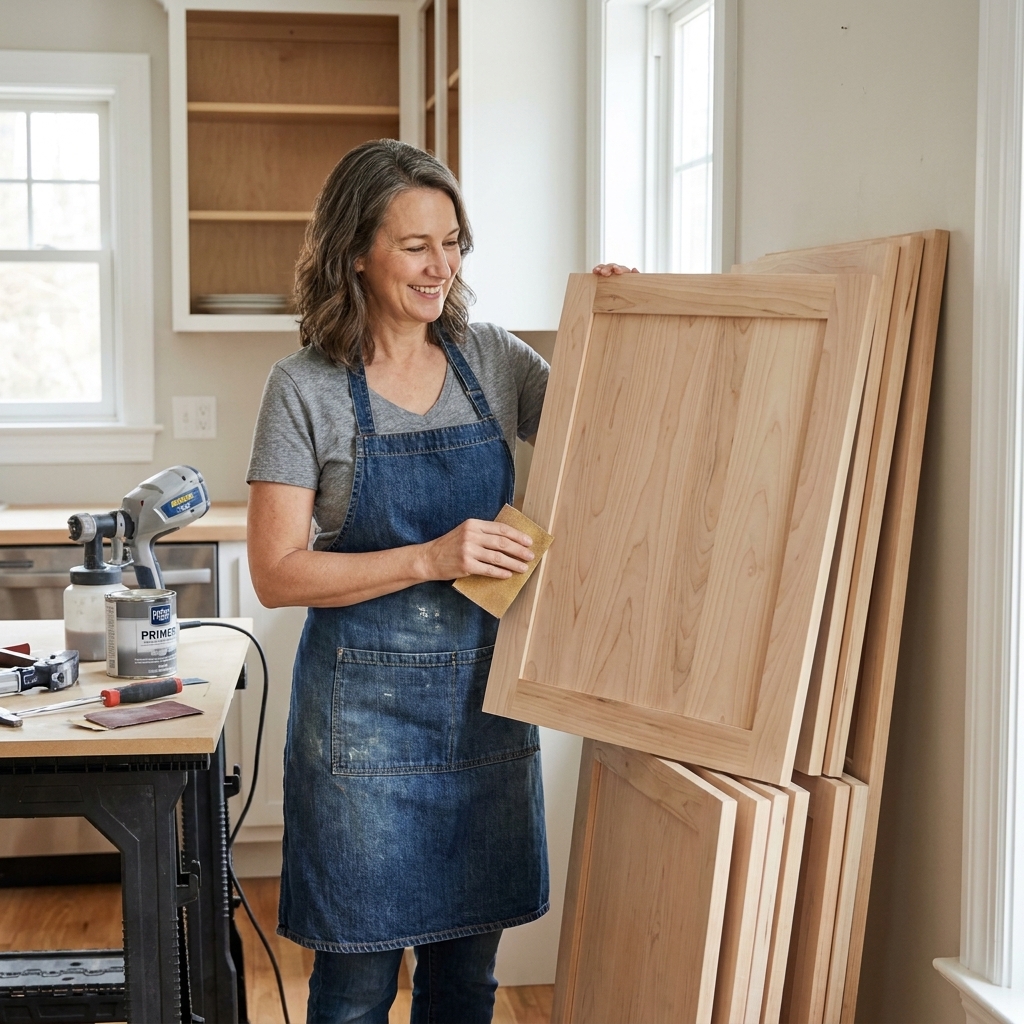
- Raw sanded wood: ready for final sanding, then primer.
- Factory sanded but still needs prep: you still need to inspect edges and wipe dust.
- Paint-grade: fewer knots and a smoother surface, but still not painted or primed.
Also, read the product description closely. Some suppliers ship doors that feel smooth but still have light machining marks, burnishing, or a thin factory sealer on certain lines. The safest move is a quick scuff sand and a test prime on the back of a door before you commit to the full batch.
When your doors arrive, do a quick inspection before you start painting:
- Check for dents from shipping
- Confirm sizes match your invoice
- Confirm hinge boring (location and quantity) if ordered
- Label each door lightly on the back so you know where it goes
Money-saving tips that do not look cheap
- Choose a simple door style. Shaker is timeless and usually costs less than ornate profiles.
- Replace only what you see. If some doors are hidden behind a peninsula or in a low-use section, you can sometimes keep and paint them if they match reasonably well.
- Batch your order. Ordering doors and drawer fronts together typically saves on shipping and helps keep profiles and dimensions consistent across the kitchen.
- Reuse hinges when it makes sense. If your hinges are in great shape and the new doors can be bored to match, keep them and spend that money on better paint.
- Upgrade hardware strategically. New pulls can distract from minor cabinet imperfections and make the whole kitchen feel intentional.
One more compatibility warning: if you switch from partial overlay to full overlay (or to inset), you are usually signing up for new hinges, and sometimes new mounting plates too. Budget for that early so you are not surprised mid-project.
Quick checklist before you buy
- Door style and material (paint-grade wood or MDF)
- Cabinet type (face-frame or frameless)
- Overlay type (full, partial, inset)
- Exact door sizes for each opening
- Door swing (left or right) where applicable
- Hinge type and boring specs (including top and bottom boring locations)
- Door thickness
- Drawer fronts included and sized (operating fronts vs false fronts)
- Lead time and shipping cost
- Return policy for custom orders
FAQ
Can I paint unfinished cabinet doors without sanding?
I would not skip sanding entirely. Even new unfinished doors benefit from a quick scuff sand to remove fuzz, soften sharp edges, and help primer grab consistently. A light pass with fine grit is usually enough, followed by thorough dust removal.
Are MDF doors a good choice for kitchens?
For painted doors, MDF can be an excellent choice because it paints smooth and stays stable. The biggest rule is to avoid soaking edges with water. Prime well, paint well, and do not let drips sit on the bottom edges.
Do I need new hinges when I buy new doors?
Not always. If you have concealed hinges and your new doors can be bored to match (including the hinge cup location from the top and bottom), you may be able to reuse them. If you are changing overlay type, door thickness, or hinge style, plan on new hinges and possibly new hinge plates.
What is the most budget-friendly door style that still looks high-end?
A simple Shaker door in a paint-grade material is my top pick. Pair it with updated pulls and a smooth cabinet paint finish and it reads custom without the custom price.
Should I paint doors before or after installing them?
Paint first whenever possible. It is easier to get smooth coverage on a flat door laid horizontally, and you will avoid brush marks around hinges and hardware. Install after everything is dry enough to handle, then baby it a bit until it is fully cured so it does not stick.
My bottom line
If you want the biggest visual payoff for the least money, unfinished replacement doors plus a great paint job is a powerhouse combo. Start by measuring carefully, choose a simple paint-friendly style, and shop both online and locally. The right doors make your cabinet paint look more professional, more intentional, and honestly, more expensive than it was.
If you want, tell me what style you are going for (classic, modern, cozy cottage) and whether your cabinets are face-frame or frameless, and I can help you narrow down what to buy.